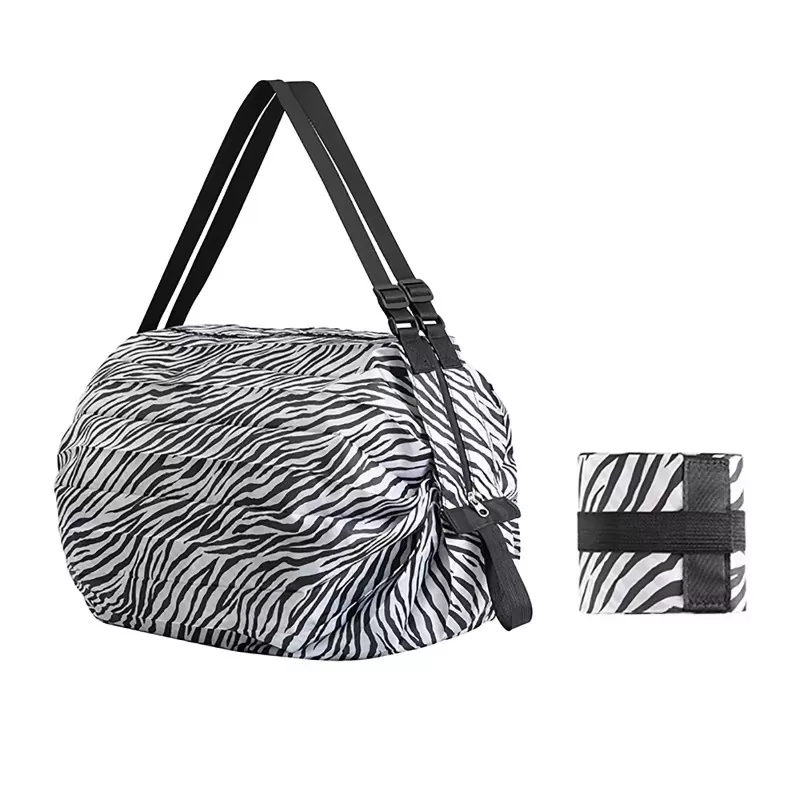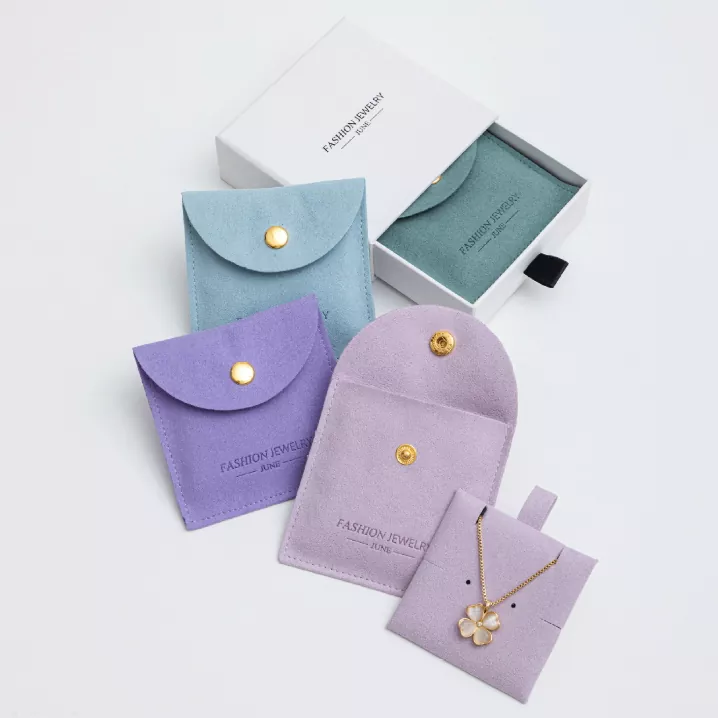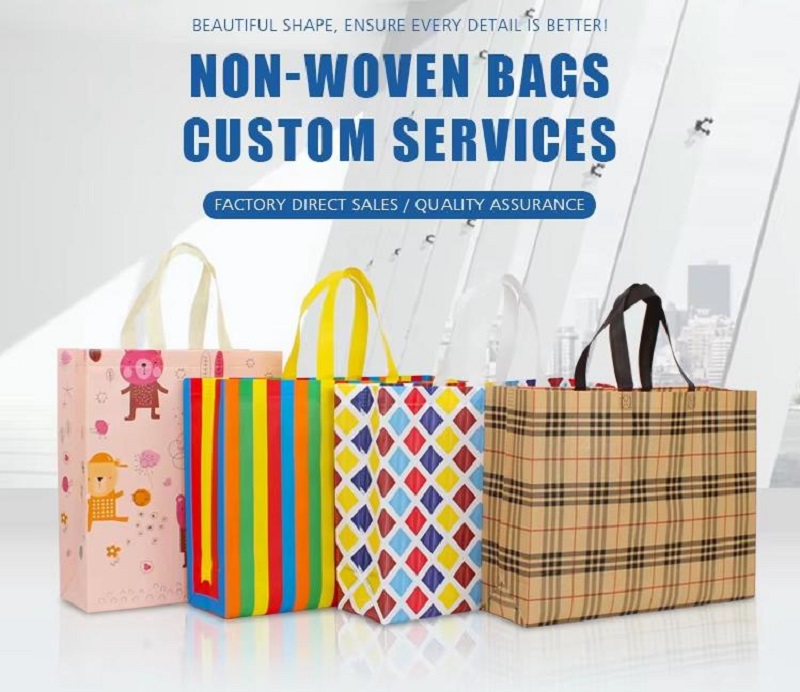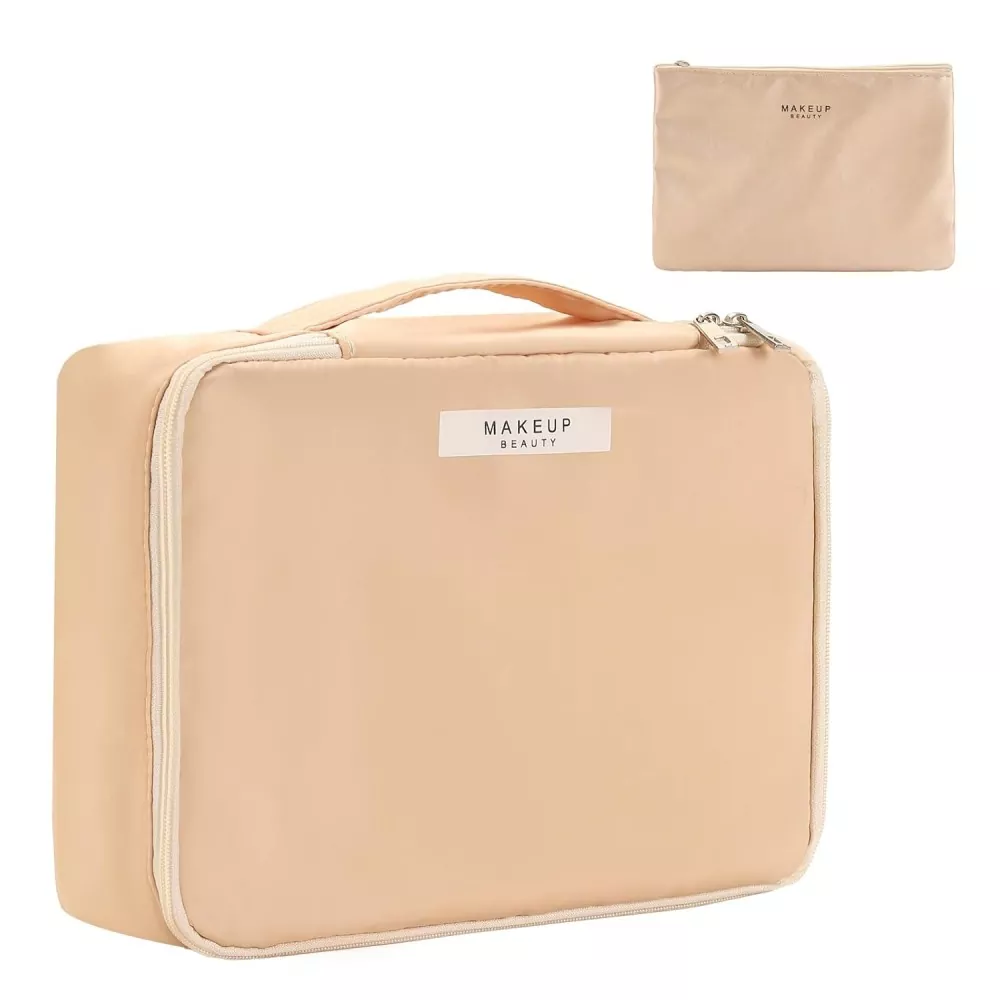

A reusable custom logo canvas tote bag is more than a practical carrying accessory. It combines everyday functionality, customizable branding, and repeated use in a single product. For retailers, promotional agencies, corporate buyers, and event organizers, the right tote bag can improve the customer experience while giving a brand a consistent presence beyond the point of sale.
However, choosing the wrong fabric weight, printing technique, handle design, or bag size can lead to disappointing quality and unnecessary expenses. Understanding these details helps buyers select a product that meets real customer needs and supports long-term brand objectives.
Article Summary
This guide explains what makes a reusable custom logo canvas tote bag suitable for business use, how to choose the right canvas material, which customization methods work best for different designs, and what to check before placing a bulk order. It also covers practical applications, cost considerations, quality control, and care instructions to help businesses make confident purchasing decisions.
1. What Is a Reusable Custom Logo Canvas Tote Bag?
A reusable custom logo canvas tote bag is a carrying bag made from canvas fabric and personalized with a business logo, slogan, graphic, or other brand element. Unlike disposable packaging, it is designed to be used repeatedly for shopping, commuting, events, and everyday storage.
Canvas is a woven fabric valued for its practical balance of strength, structure, and versatility. Cotton canvas is a common choice because its natural texture complements a wide range of visual identities, from minimalist retail branding to bold promotional graphics. Depending on the intended application, canvas bags may also use blended fibers or other fabric constructions.
Key Components of a Well-Designed Tote Bag
- Canvas body: Provides the main carrying area and the surface for custom branding.
- Handles: Support comfortable carrying by hand or over the shoulder.
- Reinforced seams: Help withstand repeated use and everyday loads.
- Custom logo: Communicates brand identity through printing, embroidery, or another suitable decoration method.
- Optional structural details: Gussets, inner pockets, closures, and reinforced bottoms improve functionality for specific applications.
The best design is not necessarily the most complicated. A straightforward bag with suitable fabric, comfortable handles, clean stitching, and a legible logo may provide more practical value than a heavily decorated product that is inconvenient to use.
2. Why Do Businesses Choose Reusable Canvas Tote Bags?
Business buyers need promotional products that serve a real purpose rather than becoming unwanted giveaways. Reusable canvas tote bags address this concern by combining practical carrying capacity with a surface for brand communication.
2.1 Repeated Brand Exposure
A useful tote bag can accompany its owner to supermarkets, offices, schools, libraries, exhibitions, and community events. Each outing creates another opportunity for the logo to be seen. Unlike a short-lived printed advertisement, a physical bag can remain in use long after the original purchase or campaign.
2.2 Practical Value for Recipients
Customers appreciate products that simplify everyday activities. A tote bag can hold groceries, documents, clothing, books, and promotional materials. Providing a genuinely useful item can create a more positive impression than distributing merchandise with little practical purpose.
2.3 Flexible Branding
Canvas bags can accommodate a variety of visual styles, including single-color logos, multicolor artwork, slogans, and minimalist designs. Businesses can coordinate bag colors, printing positions, and packaging with an existing brand identity.
2.4 Reusability and Material Considerations
A reusable bag can reduce reliance on disposable shopping bags when customers actually use it repeatedly. Nevertheless, environmental benefits depend on factors such as the fabric, manufacturing process, transportation, washing, and number of times the bag is reused. Businesses should avoid unsupported claims that every canvas bag is automatically environmentally superior.
Prioritize a bag that customers will want to carry. Suitable dimensions, comfortable handles, dependable construction, and a well-executed logo all contribute to continued use.
3. How to Choose the Right Canvas Material
Material selection affects the bag's appearance, carrying performance, printing compatibility, and cost. Before comparing supplier quotations, buyers should determine how the bag will be used and what level of durability the project requires.
3.1 Understand Canvas Weight
Canvas weight is commonly expressed in ounces per square yard or grams per square meter (GSM). These measurements help buyers compare fabric specifications, although fabric weight alone does not determine the quality of a finished bag.
- Lightweight canvas: Appropriate for lightweight merchandise, simple giveaways, and compact promotional bags where portability is important.
- Medium-weight canvas: A versatile option for everyday shopping, exhibitions, retail packaging, and general promotional use.
- Heavyweight canvas: Suitable for premium merchandise, books, heavier everyday items, and applications where a more substantial feel is desirable.
Exact weight ranges vary between suppliers and product specifications. Ask for the stated fabric weight and, where relevant, the finished bag's dimensions, construction details, and performance information rather than relying on labels such as premium or heavy-duty alone.
3.2 Compare Common Material Options
| Material | Main Characteristics | Suitable Applications | Important Considerations |
|---|---|---|---|
| Cotton canvas | Natural texture, versatile appearance, and a substantial feel in heavier constructions. | Retail shopping, branded merchandise, corporate gifts. | May shrink if improperly washed; verify fabric weight and print compatibility. |
| Cotton blends | Performance and feel depend on the fiber blend. | General promotional products and customized retail bags. | Confirm fiber composition and suitable decoration methods. |
| Polyester canvas | Can offer dimensional stability and a smooth printing surface, depending on construction. | Colorful promotional designs and selected retail applications. | Printing must match the specific polyester fabric and finish. |
| Lightweight non-woven fabric | Often economical for high-volume distribution. | Short-term promotions and large event giveaways. | It is a different construction from woven canvas and should not be treated as equivalent. |
3.3 Evaluate Construction, Not Just Fabric
A heavy fabric cannot compensate for weak seams or poorly attached handles. Buyers should examine stitching density, seam finishing, handle attachment, fabric consistency, and reinforcement at stress points. Bags intended for books or groceries may benefit from a bottom gusset and stronger handle construction.
4. Which Customization Options Deliver the Best Results?
Logo customization influences the final appearance, cost, and perceived quality of a reusable custom logo canvas tote bag. The appropriate method depends on artwork complexity, fabric composition, order quantity, and the desired finish.
4.1 Screen Printing
Screen printing is widely used for canvas bags with bold graphics, solid colors, and relatively simple artwork. It can be cost-effective for larger orders because the setup expense is distributed across more units.
- Suitable for company logos, slogans, and straightforward graphic designs.
- Works with many cotton canvas constructions when the ink and curing process are appropriate.
- Requires careful color matching and print placement for consistent bulk production.
4.2 Heat Transfer Printing
Heat transfer methods can reproduce detailed graphics and multiple colors, depending on the transfer technology and fabric. They may be suitable for smaller batches or designs that are difficult to reproduce with conventional screen printing.
Buyers should confirm adhesion, flexibility, wash-care requirements, and compatibility with the selected material. Poorly matched transfers may crack, peel, or deteriorate during use.
4.3 Embroidery
Embroidery creates a raised, textured logo that can give a tote bag a premium appearance. It is often appropriate for corporate gifts, boutique merchandise, and understated branding on heavier fabrics.
Very small lettering and intricate details may not reproduce clearly in stitches. Embroidery can also add weight and cost, so the artwork should be simplified where necessary.
4.4 Compare the Main Decoration Methods
| Method | Visual Effect | Best-Fit Projects | Points to Confirm |
|---|---|---|---|
| Screen printing | Bold, clean graphics | Bulk orders with simple or limited-color logos | Ink compatibility, curing, color consistency |
| Heat transfer | Detailed, multicolor artwork | Complex graphics and selected smaller runs | Adhesion, flexibility, wash resistance |
| Embroidery | Raised, textured branding | Premium gifts and heavier canvas bags | Stitch detail, backing, production cost |
4.5 Get Logo Placement Right
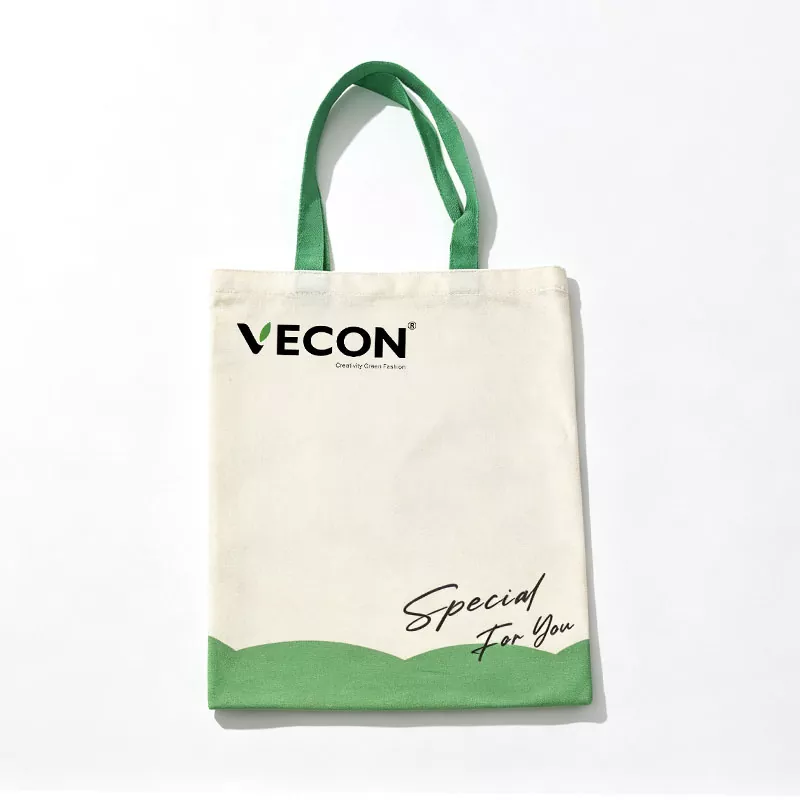
A good logo should be easy to recognize without overwhelming the bag. Centered front-panel placement is a familiar choice, while a small logo near the upper edge can create a more understated appearance. Back-panel printing, inner labels, and contrasting handles offer additional customization opportunities.
Before approving artwork, confirm the printable area, final dimensions, logo proportions, color references, and distance from seams. Request a digital proof and, for important or large orders, a physical sample whenever practical.
5. What Design Features Improve Everyday Usability?
Comfort and convenience often determine whether a tote bag becomes part of someone's daily routine. A carefully designed bag balances appearance with the actual needs of its intended users.
5.1 Size and Carrying Capacity
Consider what the recipient is expected to carry before choosing dimensions. Compact bags work well for small gifts and lightweight purchases. Larger bags may suit groceries, documents, exhibition materials, or apparel. The intended load should guide fabric selection and reinforcement requirements.
5.2 Handle Length and Strength
Short handles are convenient for hand carrying, while longer handles make shoulder carrying easier. Handle width, material, attachment method, and stitching all influence comfort and load performance. Confirm that the selected design suits the expected use rather than assuming all handles are interchangeable.
5.3 Gussets, Pockets, and Closures
- Bottom gusset: Creates additional depth and can help the bag accommodate bulkier items.
- Side gusset: Provides extra volume while maintaining a practical bag shape.
- Inner pocket: Keeps small items such as keys, cards, and phones easier to locate.
- Zipper or button closure: Offers additional security for suitable applications.
- Reinforced bottom: Can improve structure and support when paired with appropriate fabric and construction.
5.4 Choose Colors That Support Brand Recognition
Natural canvas creates a relaxed, understated look, while black, navy, and other dyed fabrics can complement more formal or distinctive brand identities. The logo should contrast sufficiently with the background to remain legible. Request a color proof because screen displays do not always represent finished fabric and ink colors accurately.
6. Where Can Custom Logo Canvas Tote Bags Be Used?
The versatility of canvas tote bags makes them suitable for businesses with different customer groups, budgets, and promotional objectives.
Retail Stores and Shopping Brands
Retailers can use branded canvas bags as reusable shopping carriers, merchandise packaging, or products sold alongside their collections. A coordinated design helps connect the physical shopping experience with the brand's visual identity.
Trade Shows and Corporate Events
Exhibitors can distribute tote bags containing brochures, product samples, catalogs, and event materials. Comfortable handles and an appropriate capacity help recipients carry everything conveniently throughout the event.
Corporate Gifts and Employee Welcome Kits
Businesses can customize bags with logos, campaign graphics, or event themes for employee onboarding, client appreciation, and internal activities. Pairing a useful bag with carefully selected contents can create a more cohesive gift.
Schools, Associations, and Community Programs
Canvas tote bags can carry books, stationery, and program materials. They may also be used for fundraising merchandise, membership gifts, and community events where practical utility matters.
Promotional Campaigns and Product Launches
A reusable tote can help maintain visual consistency across campaign materials. When the design is attractive and the construction is dependable, recipients may continue using it after the campaign ends.
7. How to Order Custom Canvas Tote Bags in Bulk
Bulk purchasing requires more than comparing the unit prices shown in quotations. Differences in material weight, bag dimensions, printing, packaging, and shipping can substantially change the final cost and product suitability.
Step 1: Define the Project Requirements
Identify the intended audience, application, target quantity, preferred budget, delivery destination, and required arrival date. This information gives suppliers a clear basis for recommending suitable products.
Step 2: Prepare the Customization Specifications
Provide the logo file, preferred bag color, dimensions, fabric requirements, handle style, print positions, and any special features. Vector artwork is generally useful for logos and text, although the preferred file format depends on the production method.
Step 3: Request a Detailed Quotation
Ask suppliers to specify what the quoted price includes. A lower initial price may exclude additional printing positions, custom packaging, sample fees, tooling, or transportation costs.
Step 4: Review a Sample or Production Proof
Check the actual fabric feel, dimensions, stitching, logo position, color, and overall finish. For repeat orders, retain an approved reference sample or documented specification to reduce inconsistencies between production runs.
Step 5: Confirm Production and Delivery Details
Before placing the order, agree on the approved specifications, quantity, quality requirements, production schedule, packaging, shipping terms, and inspection arrangements.
Step 6: Evaluate Total Purchasing Cost
Compare the complete cost rather than the unit price alone. For international buyers, this may include product charges, customization, packaging, freight, insurance where applicable, customs duties, taxes, and local delivery.
| Quotation Item | Questions to Ask |
|---|---|
| Fabric and construction | Are the fiber composition, fabric weight, dimensions, and handle details specified? |
| Customization | Does the quotation include the selected printing method, logo colors, and print positions? |
| Order quantity | What is the minimum order quantity, and how does pricing change at different volumes? |
| Sampling | Are samples available, and are sample charges credited toward the production order? |
| Production schedule | When does the lead time begin, and does it include artwork approval and sampling? |
| Shipping and packaging | Are packing specifications, freight costs, and delivery responsibilities clearly defined? |
8. What Quality Checks Should Buyers Request?
Consistent quality is particularly important when hundreds or thousands of branded bags must match an approved design. Establishing clear requirements before production helps minimize avoidable defects and disputes.
Material and Construction Inspection
- Check fabric consistency, visible defects, and whether the delivered material matches the approved specification.
- Inspect seams, handle attachments, reinforcement, and finishing for loose threads or uneven stitching.
- Measure bag dimensions and verify handle length against the agreed tolerances.
- Evaluate the bag's suitability for its intended load through an agreed, controlled test where appropriate.
Logo and Printing Inspection
- Confirm artwork accuracy, spelling, logo proportions, and print placement.
- Compare colors against the approved reference, allowing for documented material and production tolerances.
- Check for blurred edges, incomplete printing, visible defects, or uneven embroidery.
- Where required, assess print adhesion and colorfastness using an agreed test procedure appropriate to the decoration method.
Packaging and Order Consistency
Inspect packaging, carton labels, quantities, and any required product identification. For larger orders, agree on inspection criteria, acceptable defect levels, and the process for addressing nonconforming products before production begins.
A dependable supplier should be willing to clarify specifications and explain how product consistency is managed. Buyers should request supporting test reports or certifications only when relevant and available, rather than assuming every bag carries the same performance guarantees.
9. How to Maintain Reusable Canvas Tote Bags
Appropriate care helps preserve the bag's shape, fabric condition, and customized design. Cleaning instructions should always follow the specific material and decoration requirements.
- Check the care instructions. Confirm whether the bag is machine washable, hand washable, or suitable only for spot cleaning.
- Remove minor stains promptly. Blot the affected area with a clean cloth and an appropriate mild cleaning solution.
- Protect printed areas. Avoid aggressive scrubbing directly over the logo, especially when the decoration method has specific care restrictions.
- Use suitable washing conditions. When washing is permitted, cooler water and a gentle cycle can help reduce shrinkage and unnecessary wear.
- Air dry when appropriate. High heat can cause cotton shrinkage or damage certain transfers and finishes.
- Store the bag in a dry place. Ensure it is fully dry before folding or storing to reduce the risk of unpleasant odors and mildew.
Reusable bags intended for food shopping should also be kept clean and completely dry between uses. Avoid carrying loads beyond the bag's intended capacity, even when the canvas feels substantial.
10. Frequently Asked Questions
Q1. What makes a reusable custom logo canvas tote bag suitable for business promotion?
A suitable bag combines practical carrying capacity, dependable construction, comfortable handles, and clear branding. The best choice reflects the target audience, intended use, order budget, and expected frequency of reuse.
Q2. What canvas weight should I choose for custom tote bags?
The ideal weight depends on the intended load and product positioning. Lightweight fabric may suit simple giveaways, while medium- or heavyweight canvas may be more appropriate for frequent use, retail merchandise, and premium gifts. Confirm the actual fabric specification and construction before ordering.
Q3. Which logo printing method is best for canvas tote bags?
Screen printing is often a practical option for bulk orders featuring simple, bold logos. Heat transfer can accommodate more detailed artwork, while embroidery provides a raised finish for selected premium designs. The best method depends on the fabric, artwork, quantity, budget, and required durability.
Q4. Can I customize the size, color, handles, and logo placement?
Many custom tote bag projects offer options for dimensions, fabric colors, handle styles, gussets, pockets, and branding positions. Available choices depend on the supplier's production capabilities, minimum order requirements, and the selected bag construction. Confirm the complete specification before approving production.
Q5. Are reusable canvas tote bags suitable for bulk promotional orders?
Yes. They can be used for retail packaging, exhibitions, corporate events, customer gifts, and promotional campaigns. Buyers should compare total landed cost, production capacity, sample quality, delivery schedules, and quality-control arrangements before selecting a supplier.
Q6. How can I prevent my custom logo from fading or peeling?
Choose a decoration method compatible with the fabric, approve a representative sample, and confirm the production process. Follow the recommended care instructions and avoid unsuitable washing conditions. Actual print durability depends on the ink or transfer, curing, fabric, use, and maintenance.
Q7. What information should I provide when requesting a quotation?
Provide your target quantity, bag dimensions, material preferences, logo artwork, preferred colors, printing positions, optional features, packaging requirements, destination, and requested delivery date. Clear specifications make quotations easier to compare and help reduce misunderstandings.
Q8. Should I request a sample before placing a large order?
Yes, particularly for new suppliers, complex customization, strict brand-color requirements, or large production runs. A sample allows you to evaluate fabric, stitching, dimensions, logo appearance, and overall usability before committing to the full order.
Q9. Are canvas tote bags automatically an environmentally friendly choice?
Not automatically. Their environmental impact depends on material sourcing, manufacturing, transportation, cleaning, and actual reuse. Selecting a durable product and encouraging repeated use can support a more responsible purchasing strategy, but specific environmental claims should be supported by appropriate evidence.
Q10. How can I choose a reliable custom tote bag supplier?
Review the supplier's product range, customization capabilities, communication, sample quality, production specifications, inspection process, and ability to meet your delivery requirements. Request clear written quotations and confirm all important details before approving the order.
Find the Right Custom Canvas Tote Bag for Your Brand
A successful reusable custom logo canvas tote bag project starts with the right combination of material, construction, design, and production planning. Whether you are sourcing branded shopping bags for retail, preparing promotional merchandise for an exhibition, or developing customized bags for corporate gifting, clearly defined requirements can help you balance quality, appearance, and cost.
Wenzhou Wecan Packaging Co., Ltd. can be included in your supplier evaluation when exploring customized packaging and bag solutions. Discuss your intended application, preferred specifications, logo artwork, order quantity, and delivery requirements to determine which options are suitable for your project.
Ready to develop your next branded tote bag project? Contact us to discuss your requirements, request product information, and explore customization possibilities for your business.