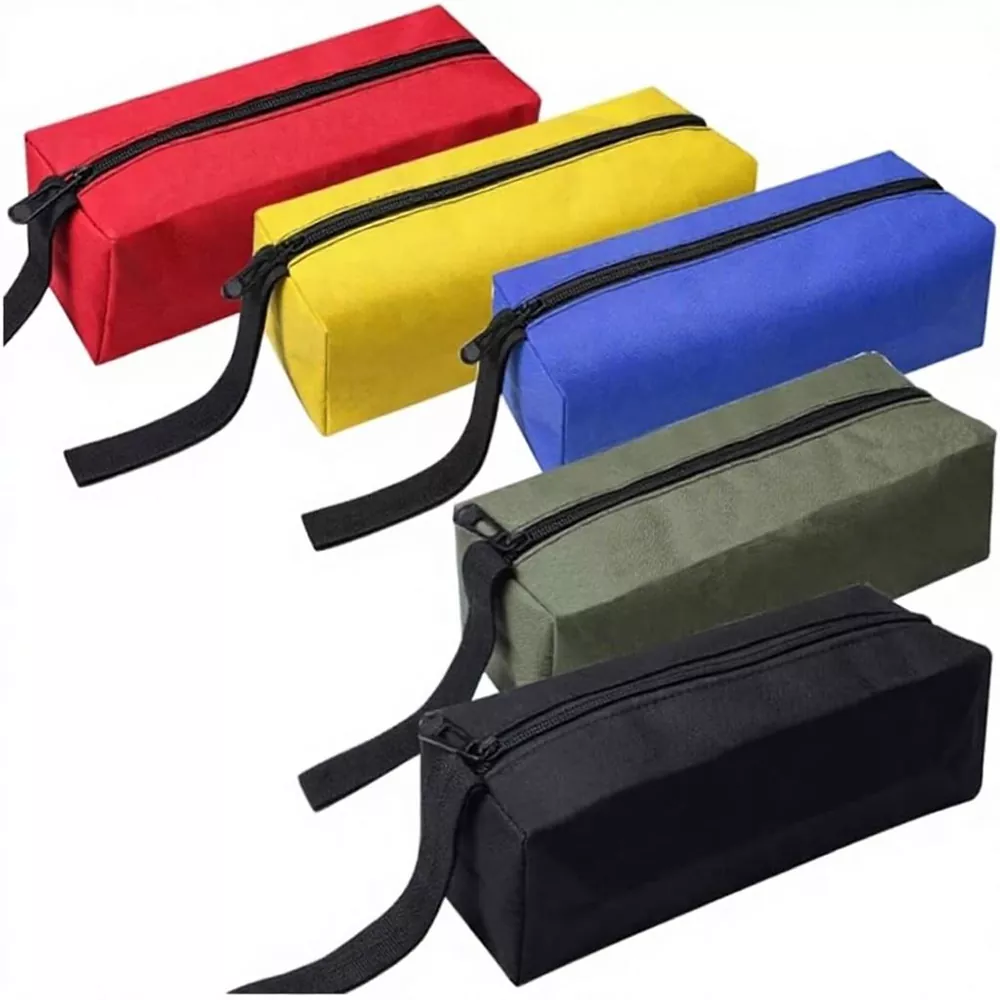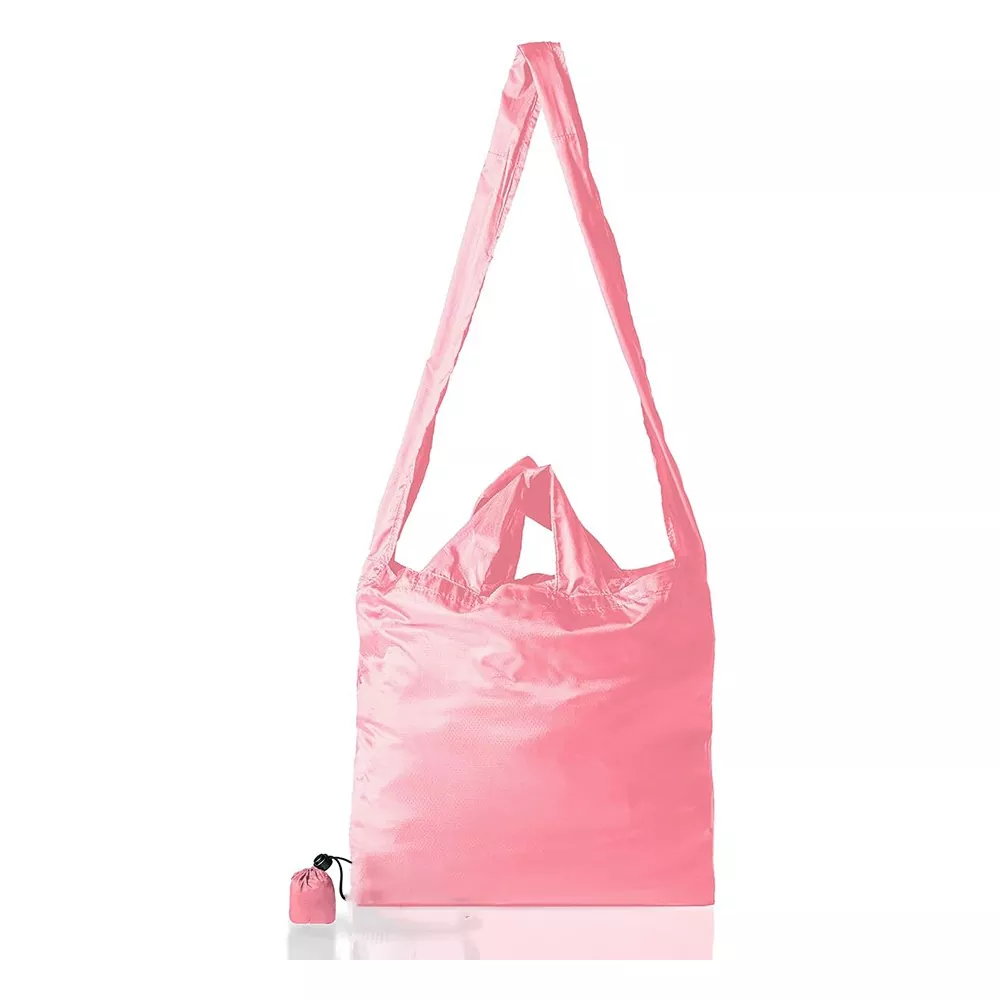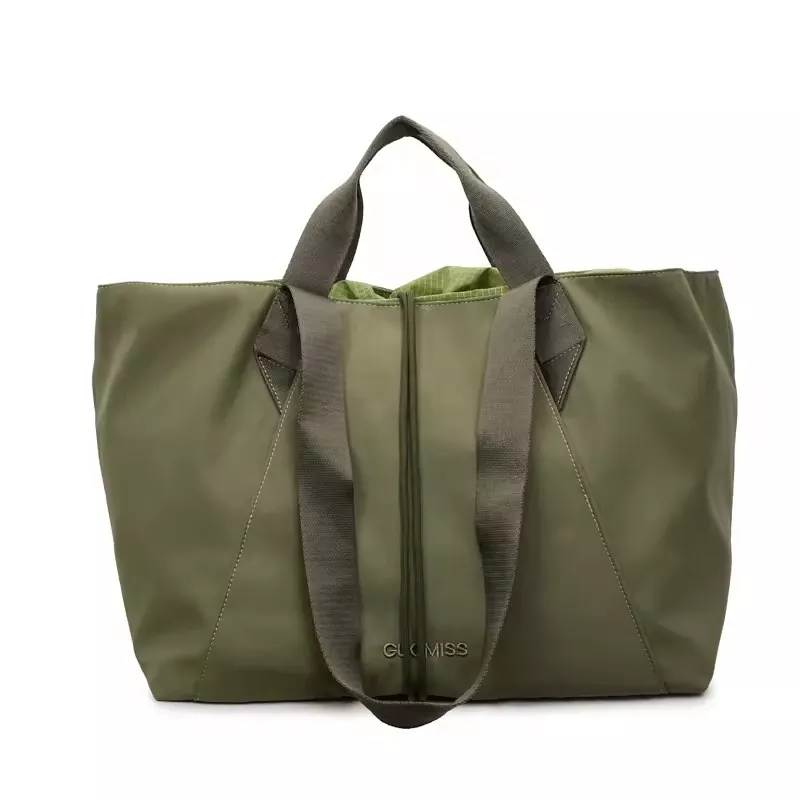

A nylon bag is more than a simple packaging solution. Its combination of strength, flexibility, lightweight construction, abrasion resistance, and customization potential makes it suitable for retail packaging, promotional products, industrial applications, travel accessories, and reusable packaging programs. However, not every nylon bag delivers the same performance. Material quality, fabric construction, thickness, stitching, handles, closures, printing, load capacity, and manufacturing consistency can significantly affect the final product.
This guide explains the practical factors businesses should consider before purchasing nylon bags. It also covers common customer problems, customization options, quality-control points, applications, and frequently asked questions to help buyers make a more informed decision.
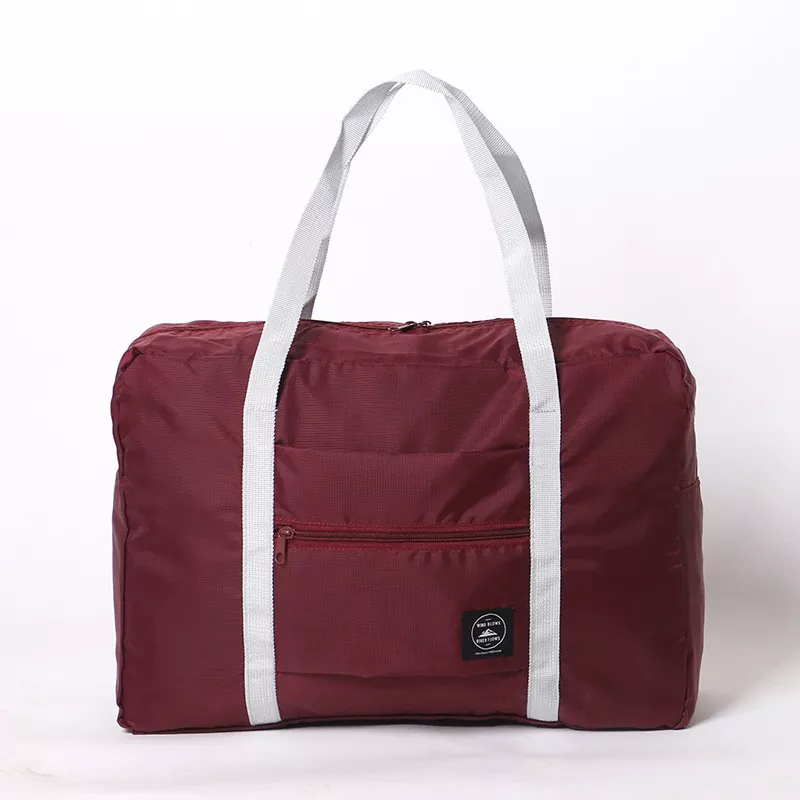
A nylon bag is a type of flexible bag manufactured primarily from nylon-based fabric. Nylon is a synthetic polymer material known for its strength, flexibility, relatively low weight, and resistance to abrasion. Depending on the intended application, manufacturers can use different fabric constructions, thicknesses, coatings, colors, and finishing techniques.
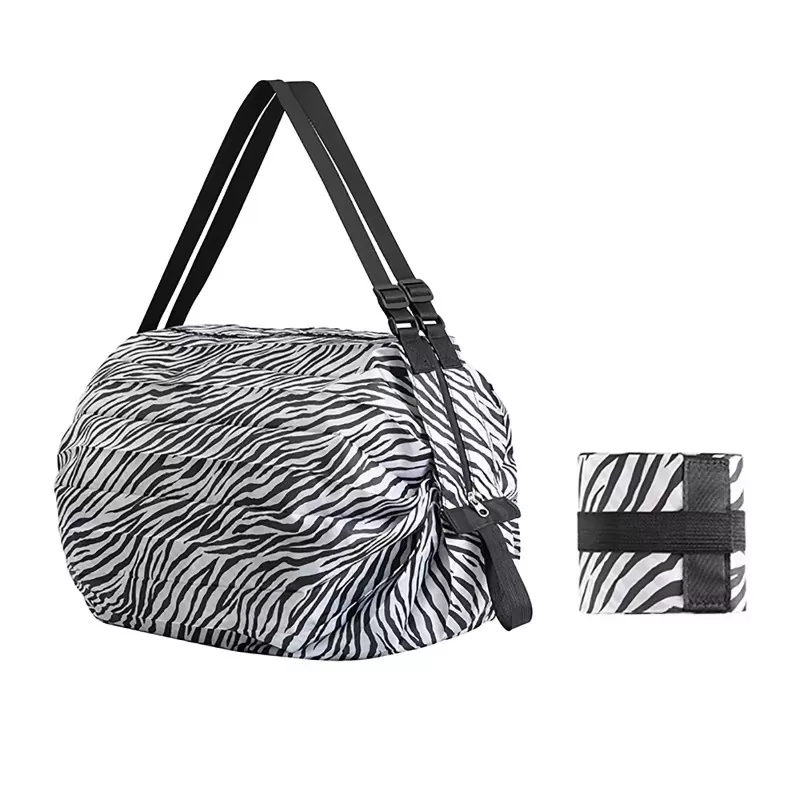
Nylon bags can range from lightweight promotional pouches to reinforced industrial bags. Their design can include handles, drawstrings, zippers, buckles, pockets, compartments, protective linings, and other functional features.
One important point for buyers is that the word "nylon" alone does not define the complete performance of a bag. Two bags can both be described as nylon bags while having very different fabric weights, sewing quality, load capacities, and service lives. The final construction should therefore be evaluated according to the intended use.
Businesses often need packaging that is lightweight enough for transportation but strong enough to withstand repeated handling. Nylon can provide a practical balance between these requirements.
These characteristics make nylon particularly useful when packaging needs to serve a functional purpose after the original product has been delivered. A reusable bag can become a carrying solution, storage accessory, shopping bag, promotional item, or travel product.
Buyers rarely purchase packaging simply because it looks attractive. They usually have a specific business problem to solve. Common concerns include high transportation costs, poor durability, inconsistent quality, weak branding, limited customization, and unreliable production schedules.
| Customer Concern | Possible Nylon Bag Solution | What to Check |
|---|---|---|
| Frequent tearing | Use appropriate fabric weight and reinforced construction | Fabric, seams, stress points |
| Weak handles | Reinforced handles and stronger stitching | Attachment method and stitching density |
| Poor branding | Customized printing, labels, or other decoration | Artwork quality and color consistency |
| Bulky packaging | Lightweight and foldable construction | Finished dimensions and fabric weight |
| Inconsistent bulk orders | Standardized production specifications | Sampling and quality-control procedures |
The key is to define the problem before selecting the product. For example, a lightweight promotional nylon bag may prioritize appearance and cost, while an industrial carrying bag may require reinforced seams, stronger handles, and a higher fabric specification.
Nylon bags are versatile because the fabric can be adapted to different dimensions, structures, and finishing requirements. Common applications include:
Application determines construction. A bag intended for lightweight promotional materials should not automatically be built to the same specifications as a bag expected to carry heavy equipment.
Choosing a nylon bag starts with defining the operating conditions. Instead of focusing only on appearance or unit price, buyers should consider the entire product lifecycle.
Estimate the typical and maximum weight the bag needs to carry.
Measure the products and allow enough space for comfortable loading.
Consider handles, pockets, zippers, drawstrings, lining, and reinforcement.
Specify color, logo placement, artwork, labels, and finishing requirements.
Buyers should also consider the intended order volume. Small trial orders and large-scale production require different planning. A professional manufacturer should be able to clarify specifications, identify potential production problems, and provide samples before mass production.
Customization allows a nylon bag to become part of a company's product presentation rather than simply functioning as protective packaging. Depending on the manufacturer and design, customization can cover both visual and functional elements.
For branded projects, artwork should be prepared according to the manufacturer's printing requirements. Clear specifications regarding logo size, placement, color references, stitching, accessories, and packaging can reduce misunderstandings during production.
A visually attractive nylon bag can still fail if the structural details are overlooked. Quality evaluation should therefore include several elements.
A reliable quality-control process should begin with clearly documented specifications and continue through sampling, production, inspection, and final packing. This approach is particularly important for wholesale and OEM projects where hundreds or thousands of units may be produced.
Different nylon bag projects require different specifications. The following general comparison can help buyers establish an initial direction before discussing detailed requirements with a manufacturer.
| Application | Typical Priority | Recommended Design Focus |
|---|---|---|
| Retail | Appearance and reusability | Branding, color, comfortable handles |
| Promotional | Cost and brand visibility | Printing, simple construction, efficient packing |
| Travel | Lightweight functionality | Foldability, zippers, compartments |
| Sports | Durability and convenience | Reinforced seams, handles, ventilation or pockets |
| Industrial | Strength and reliability | Material specification, load-bearing construction, reinforcement |
Selecting a nylon bag manufacturer is not simply about finding the lowest quotation. The supplier's ability to understand requirements, manage customization, maintain production consistency, and communicate clearly can have a direct effect on the success of a project.
Wenzhou Wecan Packaging Co., Ltd. can be considered when businesses are looking for customized packaging solutions and need to communicate specific requirements for product structure, appearance, branding, and production.
When evaluating a potential supplier, buyers should ask practical questions such as:
Clear communication is especially important for OEM and wholesale projects. A detailed product specification should ideally cover dimensions, material, construction, accessories, artwork, packaging, quantity, inspection requirements, and delivery expectations.
Nylon bags can be highly durable when the fabric specification, stitching, handles, and overall construction are matched to the intended load and environment. Durability should be evaluated as a complete product rather than based solely on the material name.
Yes. Depending on the manufacturing process, nylon bags can incorporate printed logos, labels, patches, graphics, and other branding elements. Buyers should confirm the available decoration method according to their artwork and required appearance.
Yes. Nylon bags are suitable for wholesale applications because their dimensions, colors, construction, and branding can be standardized for larger production runs. Sampling and documented specifications are particularly important for bulk orders.
Many nylon bags are designed for repeated use. Their actual service life depends on fabric quality, stitching, load conditions, handling frequency, cleaning requirements, and the specific design.
Provide the desired dimensions, intended application, approximate load, material requirements, color, logo or artwork, handle style, closure type, quantity, packaging requirements, and target delivery schedule. More complete specifications generally make quotation and sampling more accurate.
A sample is strongly recommended for customized or large-volume projects. It allows buyers to check dimensions, fabric feel, color, construction, printing, stitching, accessories, and overall functionality before committing to mass production.
A nylon bag can provide an effective balance of durability, flexibility, lightweight handling, and design versatility. Its value becomes even greater when the bag is designed around a specific application instead of treated as a generic packaging product.
For buyers, the most important considerations are not limited to price. Material specifications, bag dimensions, load requirements, stitching, handles, closures, printing, customization capability, sampling, and production consistency all contribute to the final result.
Whether the goal is retail packaging, promotional merchandise, travel accessories, sports products, or industrial packaging, a carefully specified nylon bag can provide both practical functionality and long-term brand value.
If you are developing a new packaging project or looking for a dependable solution for wholesale and customized orders, Wenzhou Wecan Packaging Co., Ltd. can help you discuss material, dimensions, construction, branding, and production requirements.
Contact us with your specifications, expected quantity, and design requirements to discuss a suitable nylon bag solution for your business.
-
Copyright © 2026 Wenzhou Wecan Packaging Co., Ltd. All Rights Reserved.