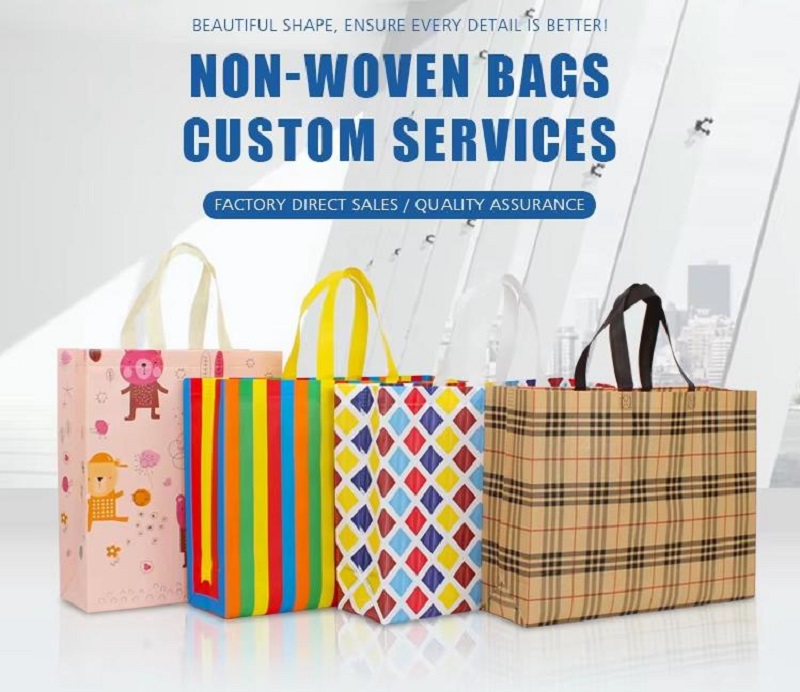

Non-woven bags are widely used for shopping, promotional campaigns, packaging, and retail applications. Printing plays an important role in enhancing their appearance, displaying brand logos, and communicating product information. Different printing methods offer different advantages in terms of print quality, production efficiency, design flexibility, and cost.
Understanding the main printing methods for non-woven bags can help businesses choose a suitable solution based on their design requirements, order quantity, and intended application.
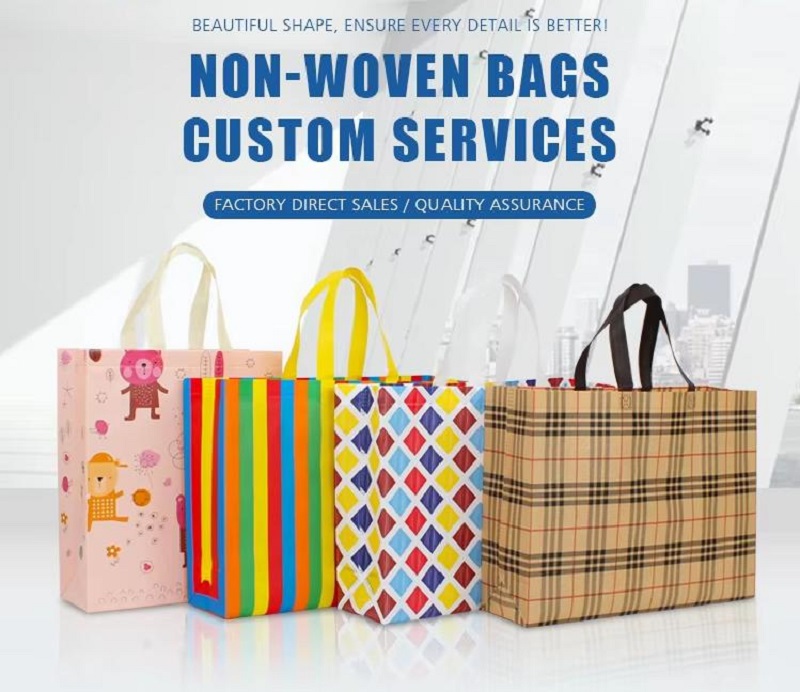
Screen printing is one of the commonly used printing methods for non-woven bags. It uses a mesh screen to transfer ink onto the non-woven fabric, creating patterns, text, logos, and other graphic elements.
This method is suitable for relatively simple designs with limited colors. It offers a practical printing solution for promotional bags, shopping bags, and customized bags that require clear logos or basic graphics. Its relatively low production cost for suitable order quantities makes it a popular option for many bulk printing projects.
Thermal transfer printing involves printing a design onto specialized transfer paper or film and then transferring the image onto the non-woven fabric using heat and pressure.
This method can reproduce detailed graphics, multiple colors, and more complex designs, making it suitable for non-woven bags that require a more elaborate visual appearance. It is often considered for promotional products, branded shopping bags, and customized packaging where design presentation is an important consideration.
The final print quality depends on the transfer materials, temperature, pressure, and compatibility with the non-woven fabric.
Flexographic printing uses flexible printing plates to transfer ink onto a material. It is generally suitable for high-volume production and designs that can be reproduced efficiently across large quantities.
For non-woven bag manufacturing, flexographic printing may be considered for relatively simple graphics, repeated patterns, and large production runs. Its production efficiency can make it a suitable option for businesses that need consistent printing across substantial quantities of bags.
The suitability of this method depends on the bag material, printing equipment, and required design details.
Thermal printing is a printing process that uses heat as part of the image-forming or transfer process, depending on the technology involved. In applications involving non-woven bags, the specific printing system and compatible materials determine how patterns, text, or other graphics are applied.
This method should be evaluated according to the required print clarity, production volume, material compatibility, and equipment capabilities. Buyers should confirm the exact thermal printing technology offered by a manufacturer before selecting it for a non-woven bag project.
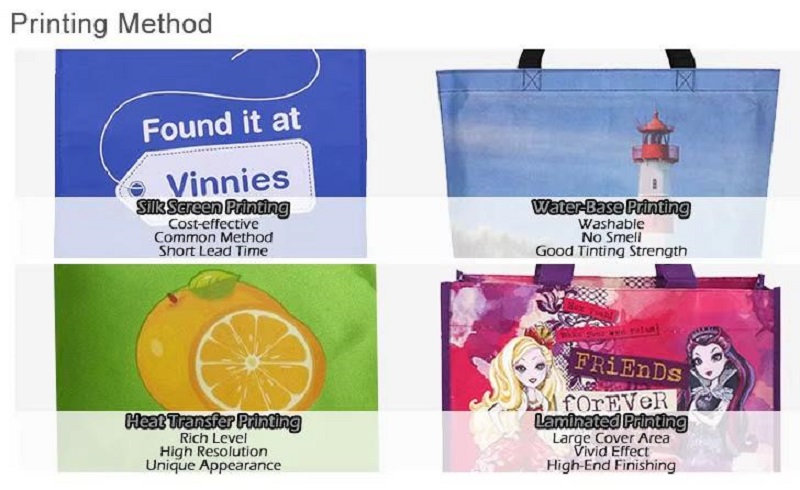
Digital printing transfers digital artwork directly to a printing system without requiring conventional printing plates. It is suitable for designs involving multiple colors, detailed graphics, variable artwork, or personalized content.
One of its main advantages is the ability to accommodate design changes with less preparation for each new design. This can be useful for small-batch orders, sample production, promotional campaigns, and customized non-woven bags.
Actual print quality, production speed, and cost depend on the printing equipment, ink system, fabric surface, and order quantity.
Lithographic printing is a traditional printing method that uses a prepared printing plate to transfer an image. It is widely associated with paper-based printing applications, where it can deliver consistent results for suitable large-volume jobs.
For non-woven bags, its applicability depends on the production process and whether printed paper or another compatible material is incorporated into the bag design. Businesses should confirm material compatibility and manufacturing requirements before choosing this method.
When selecting a printing method, manufacturers, wholesalers, and buyers should consider several factors.
Design complexity: Simple logos and limited-color graphics may be suitable for screen printing, while detailed, multicolor artwork may require transfer or digital printing.
Order quantity: Large production runs may benefit from processes designed for efficient repeat production, while digital printing may be useful for smaller batches or frequently changing designs.
Print quality requirements: The desired color accuracy, image detail, durability, and overall appearance should be evaluated before production.
Material compatibility: Non-woven fabrics vary in composition, surface characteristics, and thickness. The selected ink or transfer system must be compatible with the material.
Production cost: Printing costs depend on setup requirements, ink or transfer materials, labor, equipment, and order quantity. Comparing the total production cost helps buyers make a more informed decision.
Copyright © 2026 Wenzhou Wecan Packaging Co., Ltd. All Rights Reserved.