A dual drive of environmental policies and changing consumer values is creating a new growth window for the global canvas bag market.
1. Policy and Sustainability Trends Drive Market Growth
The growth of the canvas bag market is closely linked to the global reduction of disposable plastic products. Since China introduced the “Plastic Restriction Order” in 2008, restrictions on disposable plastics have continued to strengthen, accelerating the adoption of reusable and eco-friendly shopping bags.
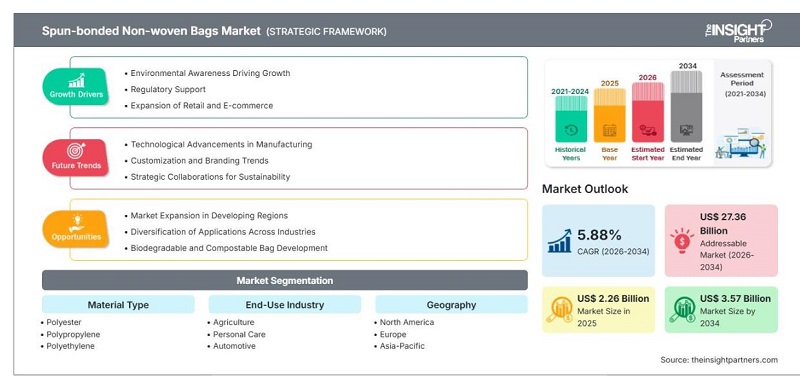
According to Research and Markets, government plastic restrictions, sustainable packaging alternatives, and growing demand for branded products are among the key factors supporting the future development of the canvas bag market.
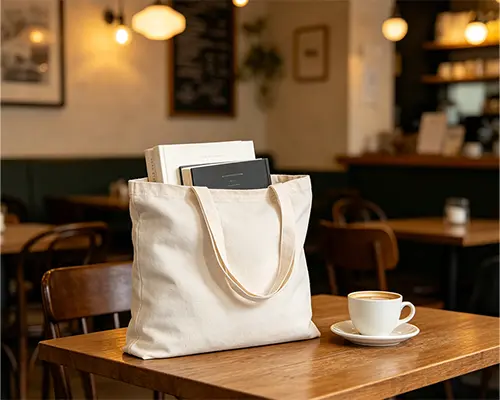
At the same time, consumers are increasingly concerned about sustainability and responsible consumption. Canvas bags have evolved from simple daily necessities into products that reflect environmental awareness, lifestyle choices, and personal values.
2. North America Leads While Asia-Pacific Accelerates
North America currently represents one of the largest consumer markets for canvas bags, supported by strong environmental awareness and well-established sustainable consumption habits.
The Asia-Pacific region, however, is becoming an important growth engine. Consumers in China, India, Japan, and other markets are showing increasing interest in reusable and sustainable packaging solutions. Combined with stricter plastic control policies, this trend is creating significant opportunities for canvas bag manufacturers and exporters across the region.
3. From Best-Selling Products to Global Cultural Trends
The popularity of canvas bags is increasingly visible at the consumer level. The canvas mini tote bags launched by American retailer Trader Joe’s, for example, have attracted significant attention, with some limited designs selling out rapidly after release.
The trend has also spread beyond markets where the retailer operates. In countries such as Japan and the Philippines, these canvas bags have developed into fashionable cultural products and popular souvenirs.
Meanwhile, social media is creating new demand for customized and personalized canvas bags. The rise of “bag decoration” culture has encouraged consumers to add plush accessories, badges, charms, and other decorative elements, transforming canvas bags into fashion accessories and expressions of personal identity.
4. Customization Creates New B2B Opportunities
For manufacturers such as Wenzhou Weicheng Packaging, the expanding global canvas bag market creates clear opportunities for product differentiation and higher-value orders.
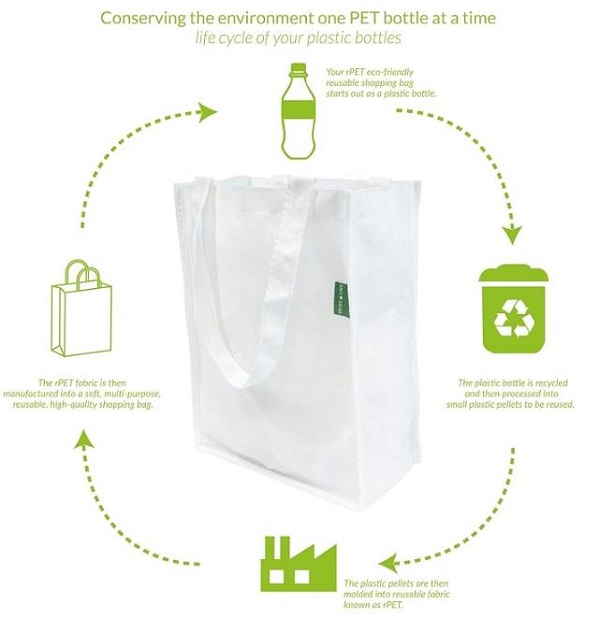
Brand customers are increasingly looking for customized designs, sustainable materials, flexible production capabilities, and small-batch manufacturing. Materials such as GRS-certified RPET and organic cotton are gaining attention as brands seek more credible solutions for reducing their environmental impact.
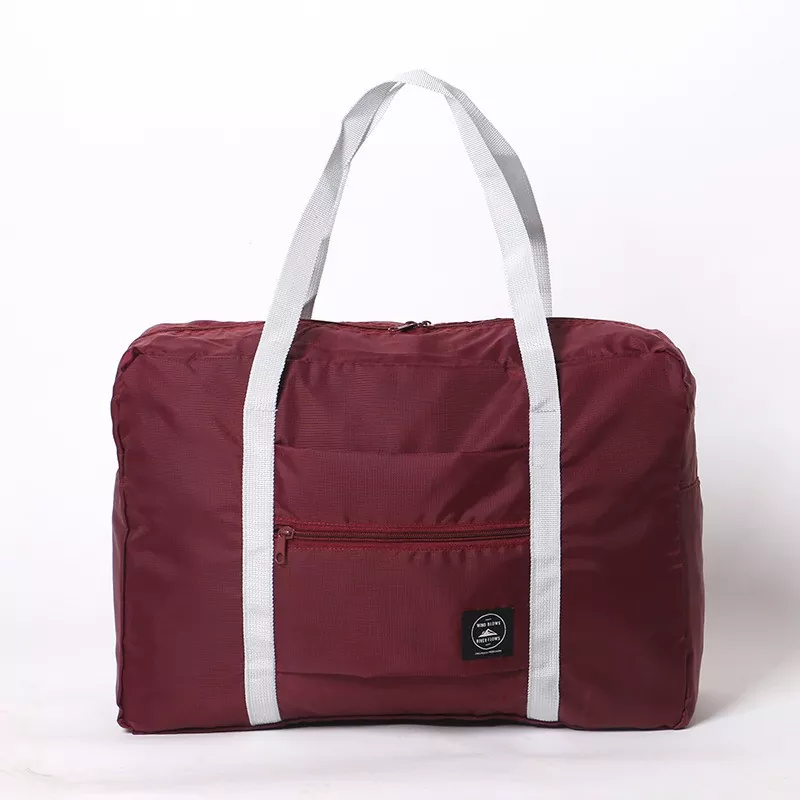
Customization is also becoming a major competitive advantage. Different bag sizes, handles, printing methods, fabric weights, colors, compartments, and decorative details allow manufacturers to serve retailers, promotional brands, fashion companies, supermarkets, and e-commerce businesses with more targeted solutions.
Despite the market opportunities, canvas bag manufacturers face several challenges. Raw material price fluctuations, increasingly homogeneous competition, and growing scrutiny of environmental claims are putting pressure on traditional manufacturing models.
To remain competitive, manufacturers need to strengthen supply chain management, product development, quality control, and environmental certification. Genuine sustainability should be supported by traceable materials and reliable certification rather than simple marketing claims.
For Chinese canvas bag manufacturers, the next stage of development is therefore not simply increasing production capacity. The greater opportunity lies in moving from traditional contract manufacturing toward trend-oriented product development, flexible customization, sustainable material solutions, and higher-value-added services.
6. The Future of the Canvas Bag Market
The global canvas bag market is moving beyond the traditional concept of reusable shopping bags. Sustainability, customization, fashion, social media culture, and brand identity are increasingly converging to create new product opportunities.
For manufacturers and B2B buyers, this means that future competitiveness will depend not only on price and production capacity, but also on material innovation, customization capabilities, environmental credibility, and the ability to respond quickly to changing consumer trends.
We use cookies to offer you a better browsing experience, analyze site traffic and personalize content. By using this site, you agree to our use of cookies. Privacy Policy