Three Environmental Protection Material Routes Reshape Product Value
Natural Fibers: The Classic Choice for Returning to Nature
Organic cotton, hemp fibers, canvas, and other natural materials have become popular choices for eco-friendly yoga bags due to their renewable sources, lower environmental impact, and biodegradability. These materials can reduce reliance on synthetic fibers and are naturally degradable at the end of their service life. In the European market, organic cotton and hemp fiber yoga bags are particularly attractive to environmentally conscious consumers.
Recycling and Reuse: The Circular Path from Waste to Treasure
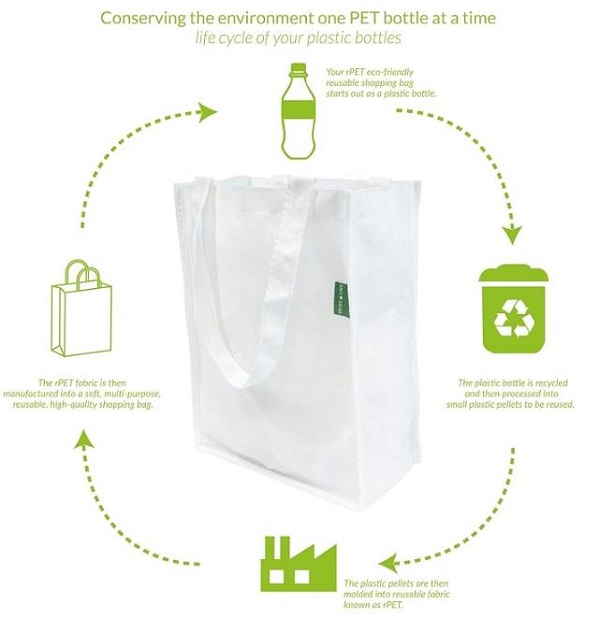
Recycled PET (rPET) fabric is moving from an emerging concept toward a mainstream sustainable material. It converts discarded plastic bottles into textile fibers through specialized processing, helping reduce plastic waste and the demand for virgin raw materials. rPET yoga bags are gaining attention in the North American market, where consumers increasingly value traceable and low-carbon products. Meanwhile, regulations and sustainability requirements in markets such as the EU are placing greater emphasis on recycled content and responsible sourcing. GRS (Global Recycled Standard) certification is therefore becoming an important qualification for suppliers serving international brands.
Biobased Innovation: Technological Breakthroughs for the Future
Biobased materials represent another important direction for sustainable product development. In 2022, lululemon introduced its Mylo™ yoga accessories using mycelium-based material for components such as handles and straps. The development demonstrated how biotechnology can provide alternatives to traditional animal-based and petroleum-based materials. With leading sports and lifestyle brands continuing to invest in sustainable materials, biobased solutions are expected to create new opportunities for the yoga bag industry.
Green Transformation at the Manufacturing End: From Material Substitution to System Upgrade
Supply Chain Certification
Environmental protection extends beyond material selection. Manufacturers serving mid-to-high-end international brands increasingly need internationally recognized certifications such as GRS, FSC, OEKO-TEX, and BSCI. These certifications help demonstrate responsible material sourcing, chemical safety, social compliance, and sustainable production practices, strengthening buyer confidence and supporting long-term supplier relationships.
Low-Impact Manufacturing Processes
Green manufacturing involves more than replacing conventional fabrics. Manufacturers can reduce environmental impact through renewable energy, energy-efficient equipment, optimized production processes, low-impact dyes, and formaldehyde-free or lower-toxicity auxiliary materials. These measures help improve resource efficiency while supporting increasingly strict sustainability requirements from global buyers.
Lightweight Product Design and Reduced Packaging
Optimizing product structure can reduce unnecessary material consumption while maintaining durability and carrying performance. At the same time, recyclable, reusable, or biodegradable packaging can help reduce packaging waste. Combining lightweight design with responsible packaging enables yoga bag manufacturers to lower material consumption and reduce environmental impact across the product life cycle.
We use cookies to offer you a better browsing experience, analyze site traffic and personalize content. By using this site, you agree to our use of cookies. Privacy Policy