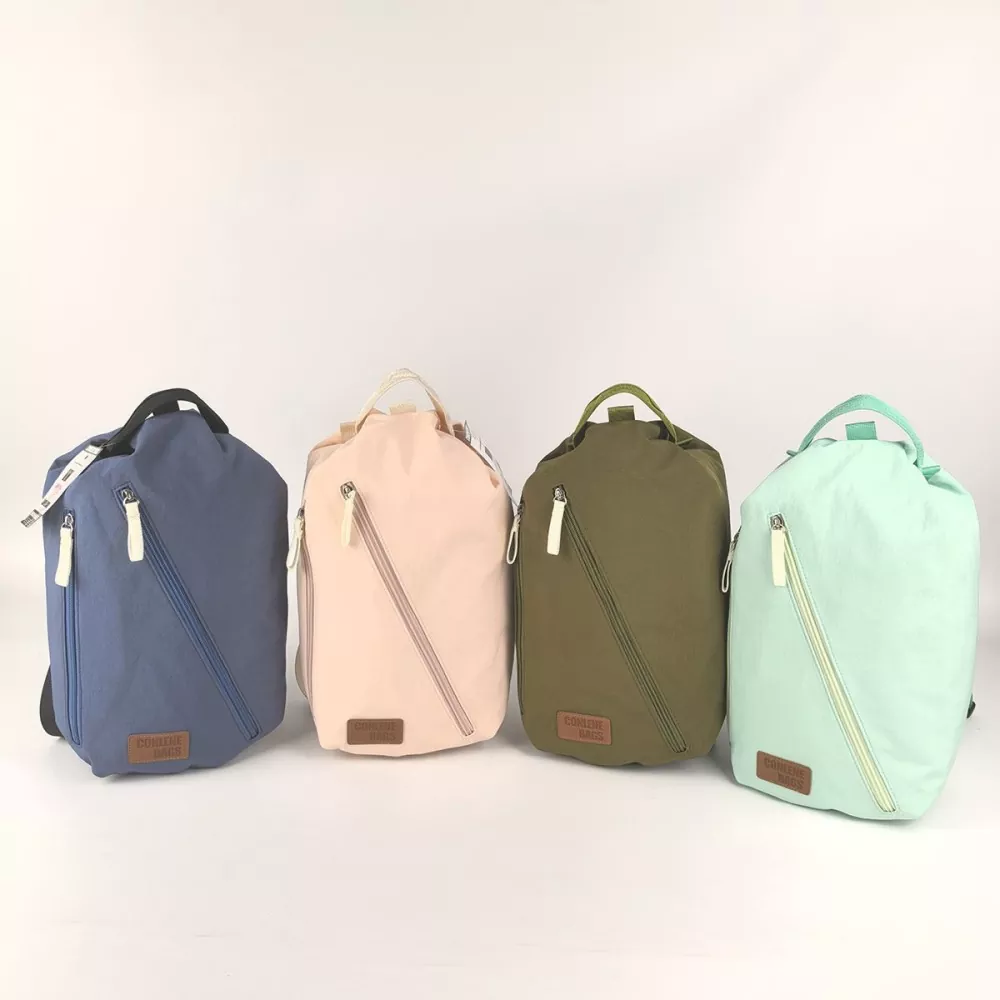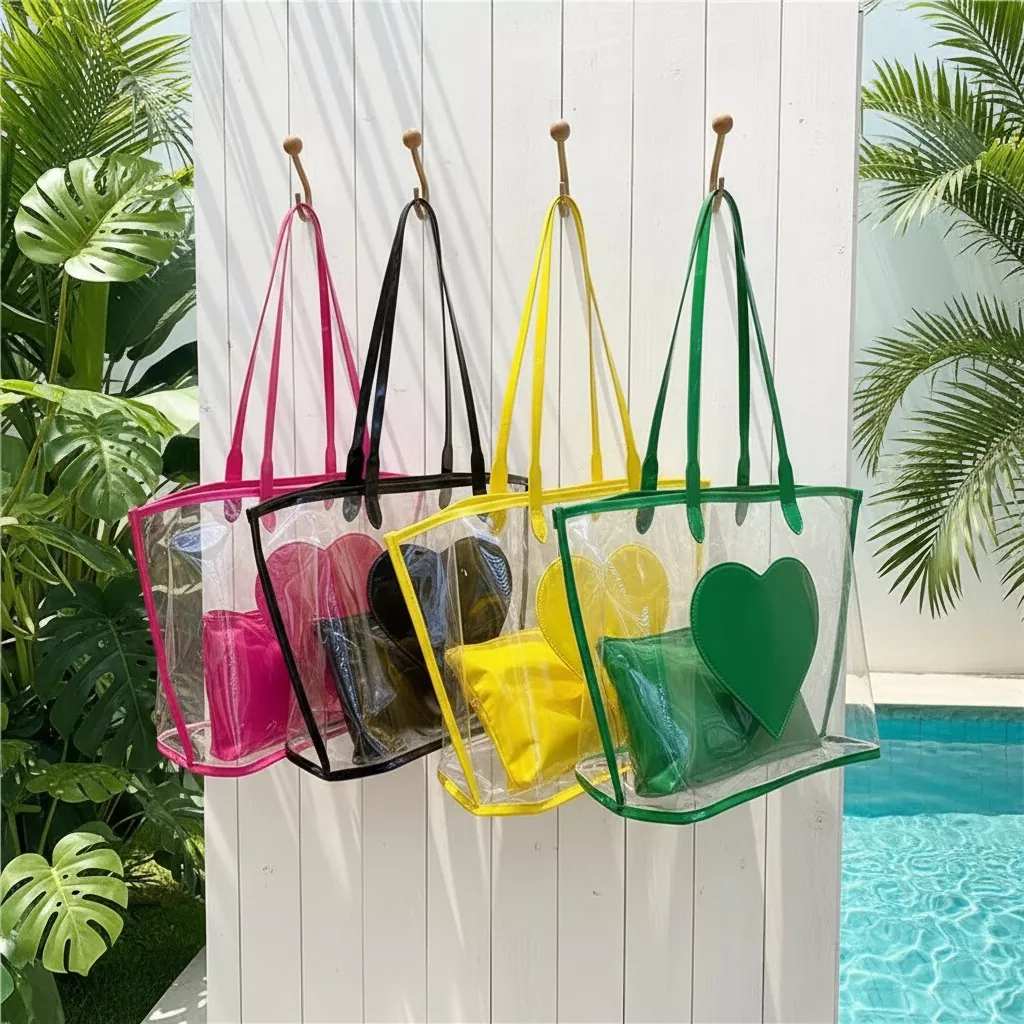

The global spunbond nonwoven bags market is experiencing steady growth driven by increasing environmental awareness, plastic reduction policies, and rising demand for sustainable packaging solutions. As governments, retailers, and consumers continue to seek alternatives to traditional plastic bags, spunbond nonwoven bags are becoming a popular choice due to their durability, recyclability, lightweight structure, and customization flexibility.
By 2034, the spunbond nonwoven bags market is expected to further expand as manufacturers continue improving production technology, developing sustainable materials, and exploring new applications across retail, healthcare, automotive, agriculture, and other industries.
The spunbond nonwoven bags market can be segmented according to different raw materials, including:
Spunbond nonwoven bags are widely used across multiple industries due to their strength, reusability, and customizable design features. Major application sectors include:
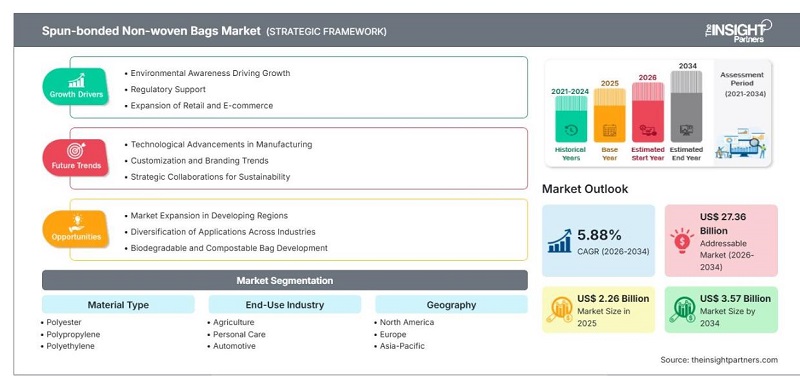
Growing awareness of plastic pollution is one of the most important factors driving the development of the spunbond nonwoven bags market. Consumers and governments worldwide are becoming increasingly concerned about the environmental impact of single-use plastics and are actively seeking reusable and recyclable alternatives.
Spunbond nonwoven bags provide an environmentally friendly solution with excellent reusability, durability, and lower long-term environmental impact compared with disposable plastic bags. This shift in consumer behavior is encouraging retailers and businesses to adopt sustainable bag solutions, accelerating market expansion.
Plastic bag bans and environmental regulations implemented in many countries are creating favorable market conditions for spunbond nonwoven bags. Governments are encouraging the replacement of single-use plastic products with reusable alternatives, increasing demand from retail stores, supermarkets, grocery chains, and food service industries.
As businesses are required to adopt more sustainable packaging solutions, spunbond nonwoven bags have become one of the preferred alternatives due to their cost efficiency, customization capability, and practical performance.
The rapid expansion of retail and e-commerce is another key factor supporting the growth of the spunbond nonwoven bag market. Online shopping, brand promotion, and sustainable packaging requirements are increasing demand for lightweight, durable, and customizable bags.
Retailers increasingly use printed nonwoven bags as both packaging solutions and marketing tools. Customized logos, colors, and designs help companies improve brand visibility while supporting environmental responsibility.
Continuous improvements in spunbond nonwoven bag manufacturing technology are enhancing production efficiency and product quality. Automated production lines, advanced fiber bonding technology, and optimized manufacturing processes allow producers to reduce costs while maintaining strength, durability, and appearance.
These innovations make spunbond nonwoven bags increasingly competitive compared with traditional plastic packaging products and support long-term market growth.
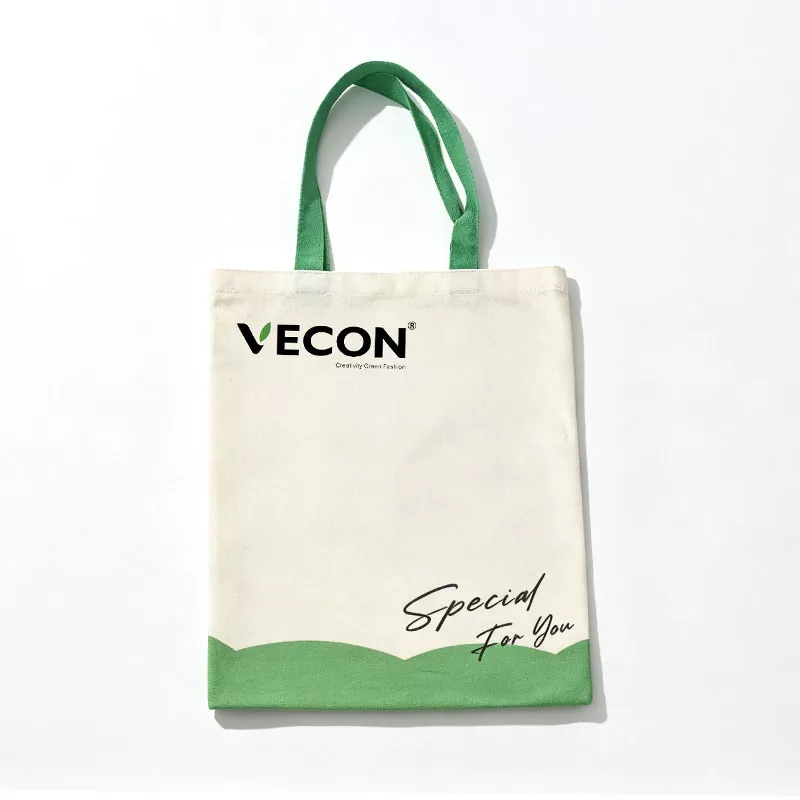
Customization is becoming a major trend in the spunbond nonwoven bag industry. Businesses are increasingly requesting customized bags with specific colors, patterns, sizes, and brand logos to strengthen customer recognition and improve marketing effectiveness.
Retailers, supermarkets, and promotional companies are especially interested in customized nonwoven bags because they combine practical usage with brand exposure, creating additional commercial value beyond simple packaging.
Manufacturers, retailers, and environmental organizations are increasingly forming strategic partnerships to promote sustainable packaging solutions. These collaborations focus on improving recycling awareness, developing greener materials, and encouraging wider adoption of reusable bags.
Future market growth will depend on building a more sustainable industry ecosystem that balances environmental protection, production efficiency, and consumer demand.
Emerging markets provide significant growth opportunities for spunbond nonwoven bags. As environmental awareness increases in developing regions, demand for sustainable packaging solutions continues to rise.
Manufacturers can expand their global presence by establishing local production facilities, developing regional partnerships, and providing customized solutions that meet different market requirements.
The versatility of spunbond nonwoven bags creates opportunities for expansion into various industries beyond traditional retail applications. Their durability, lightweight structure, and customization options make them suitable for agriculture, healthcare, automotive, and industrial packaging.
For example, agricultural industries can use nonwoven bags for seeds and fertilizers, while healthcare sectors can utilize them for medical supply packaging. This diversification helps manufacturers capture new market segments and increase business opportunities.
The growing demand for environmentally friendly products is encouraging manufacturers to develop biodegradable and compostable spunbond nonwoven bags. Consumers are increasingly looking for packaging solutions that minimize environmental impact throughout their lifecycle.
Companies investing in research and development of sustainable materials and eco-friendly production technologies will have stronger competitive advantages in the future green packaging market.
The spunbond nonwoven bags market is expected to maintain steady growth toward 2034, supported by sustainability initiatives, technological innovation, and expanding global applications. With advantages such as durability, customization flexibility, and environmental benefits, spunbond nonwoven bags will continue to play an important role in replacing traditional plastic bags and promoting sustainable packaging solutions worldwide.
Copyright © 2026 Wenzhou Wecan Packaging Co., Ltd. All Rights Reserved.