
Choosing the right packaging box size is not simply about making sure your product fits inside. For wholesale buyers and brands, packaging dimensions directly affect shipping costs, warehouse efficiency, product protection and the overall customer experience.
An oversized box increases transportation expenses because carriers often calculate freight based on dimensional weight. Excess empty space also requires additional filling materials and increases storage requirements.
On the other hand, packaging that is too small may create difficulties during assembly and packing. Products can be scratched during insertion, while small differences caused by manufacturing tolerances may result in poor fitting during mass production.
Well-designed packaging dimensions create a better balance between protection, appearance and logistics efficiency. A properly fitted box also helps strengthen brand presentation when customers receive and open the product.

Accurate product measurement is the first step in developing suitable custom packaging. Incorrect dimensions at the beginning may lead to fitting problems, additional costs and production delays later.
Use suitable measuring tools such as calipers, metal rulers or soft measuring tapes depending on the product shape. Place the product on a flat surface and record the maximum length, width and height.
All external parts should be included during measurement, including handles, cables, caps, buttons, connectors and other protruding components. The goal is to capture the actual space occupied by the complete product.
For products with curved or irregular shapes, measure the imaginary rectangular box that completely surrounds the product instead of measuring only individual surfaces.
This method provides the maximum footprint required for packaging design and helps prevent problems such as difficult assembly, product pressure or damage during transportation.
Accessories are often overlooked during packaging development. Manuals, spare parts, cables, gift cards and additional components shipped together with the product should be included in the final dimension calculation.
Record all measurements using consistent units, such as millimetres, and confirm the data before sending specifications to your packaging supplier. Rechecking dimensions before production can prevent expensive modifications after mass manufacturing begins.
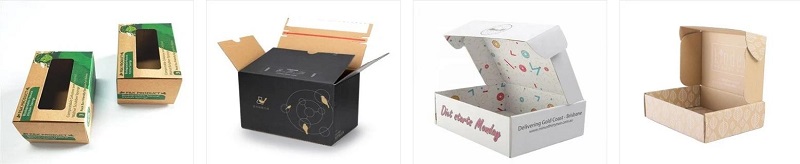
Different products require different packaging considerations. Understanding the characteristics of each product type helps avoid inaccurate dimensions and unnecessary packaging adjustments.
For electronic products, measure the complete set including cables, adapters and accessories. Additional attention should be given to ports, connectors and fragile components that may require extra protective space.
Proper internal clearance helps reduce pressure on sensitive parts during long-distance transportation.
When measuring cosmetic products, keep pumps, caps and closures fully assembled. For gift sets, measure the complete assembled package instead of calculating each item separately.
This ensures that the final packaging provides sufficient space for the entire retail presentation.
Heavy-duty products require consideration of both product dimensions and protective requirements. Packaging design should account for cushioning materials, structural strength and possible deformation during transportation.
Physical sample testing is recommended because digital drawings cannot fully represent real packing conditions and material behaviour.
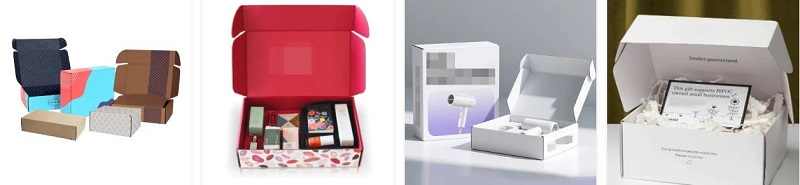
One of the most common causes of packaging errors is confusing inner dimensions with outer dimensions. These two measurements serve different purposes during packaging design and logistics planning.
Inner dimensions refer to the usable space inside the packaging box. They determine whether the product and any protective inserts, foam or paper components can fit correctly.
Outer dimensions include the complete external size of the finished box, including material thickness. They are important for calculating shipping volume, warehouse storage and pallet arrangement.
When submitting packaging requirements, always specify whether dimensions refer to ID or OD. Different packaging structures, such as rigid boxes and folding cartons, have different material thicknesses and construction requirements.
Clear communication helps prevent production issues caused by incorrect dimension interpretation.
Box structure affects the actual usable space inside packaging. Different styles require specific allowances for assembly, movement and structural stability.
Different packaging structures need different clearance designs. For example, drawer boxes require space between the sleeve and drawer section, while rigid lid-base boxes need appropriate tolerance between the lid and base.

Board thickness, folding lines and structural reinforcement can affect the final internal dimensions. A box that looks correct based only on product measurements may still fail during production if structural factors are ignored.
For special packaging structures, length, width and height ratios can often be adjusted without changing product compatibility.
Discuss non-standard designs with your packaging supplier early to confirm manufacturability and ensure stable production performance.
The ideal packaging size balances product protection, appearance and logistics efficiency. Several factors should be evaluated before confirming final dimensions.
The required internal clearance depends on product fragility and packaging materials. Durable products may require only a small buffer space, while fragile products need additional room for protective inserts.
Proper clearance prevents movement inside the box while reducing unnecessary packaging volume.
A premium appearance is important, but excessive packaging space increases transportation costs. Optimized dimensions help reduce dimensional weight charges while maintaining a professional unboxing experience.
Before confirming large-volume production, request packaging samples and conduct real product fitting tests. Sample verification helps identify hidden problems related to size, assembly and protection.
Testing packaging performance before production can significantly reduce modification costs and delivery risks.
Choosing the correct packaging box size requires more than measuring product length, width and height. Successful packaging design combines accurate dimensions, suitable clearance, proper structure and real-world testing.
By confirming product measurements, distinguishing inner and outer dimensions and verifying samples before mass production, businesses can reduce packaging errors, control logistics costs and create better product experiences for customers.
Copyright © 2026 Wenzhou Wecan Packaging Co., Ltd. All Rights Reserved.